
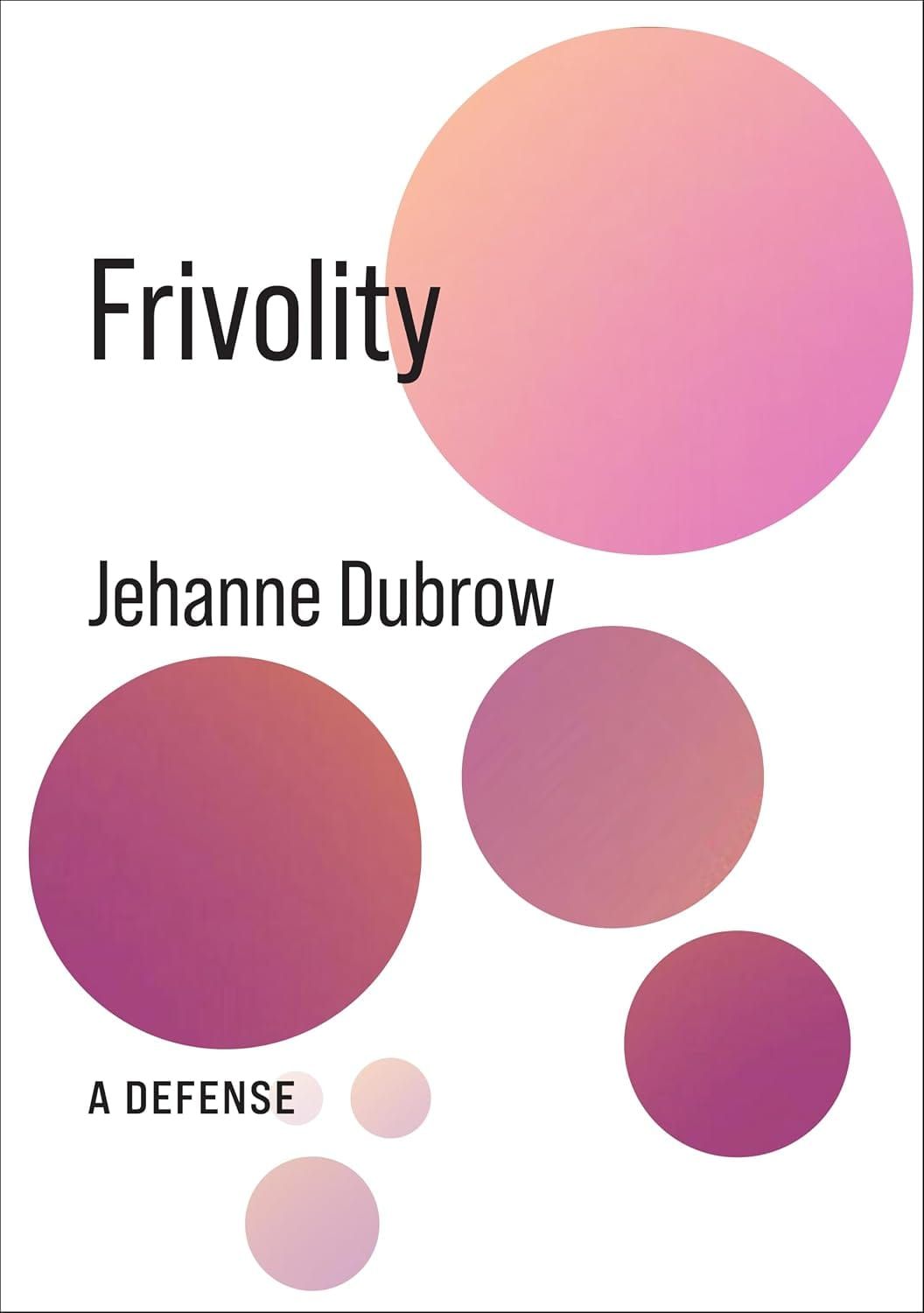
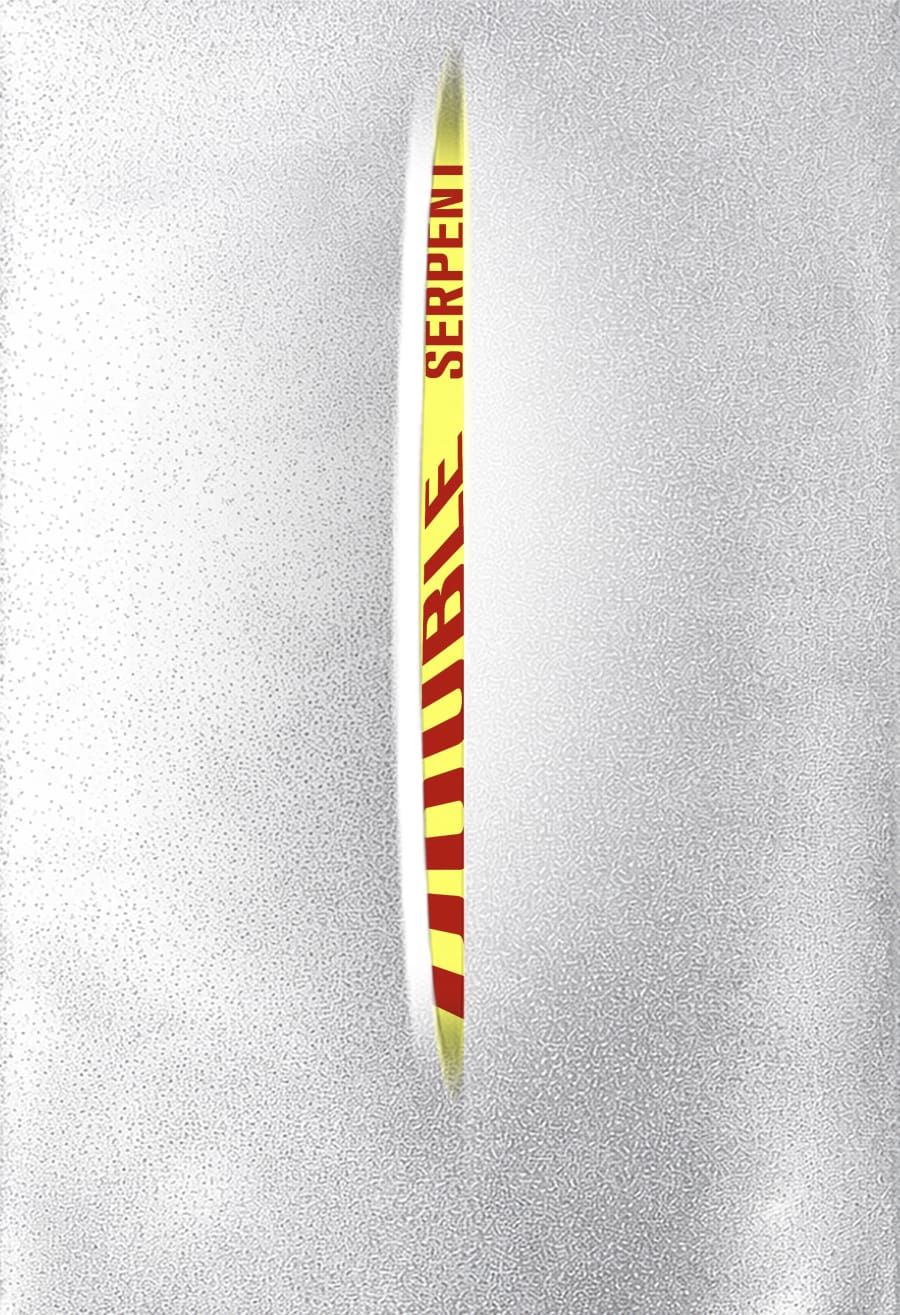
A Review of Frivolity: A Defense (No Limits) by Jehanne Dubrow
Columbia University Press, Aug. 25 2026, by Jo Ann Zimmerman
Dear Prudence,
Lately my boyfriend has been complaining that I’m too frivolous! He says my jars and tubes of skin cream in our shared medicine cabinet fall out whenever he opens it, and that I use way too many exclamation points when I text people, including him. He’s even still upset I made such a big deal about the Barbie movie, but really, he saw Oppenheimer THREE times!!
It’s true I have four full jars of garam masala in the spice rack and that I haven’t made tikka masala since COVID but is that so terrible? I mean. maybe I’ll make it next week, and I don’t want to waste perfectly good spices!
Am I really that frivolous, and how can I get my boyfriend to lighten up about this stuff?
Tina The Trivial
Dear Tina,
You’ll be happy to learn you and your boyfriend are not alone in your differing opinions about frivolity. There’s even a whole book about the phenomenon called, aptly enough, Frivolity: A Defense (No Limits), Columbia University Press, August 2026. In it, the author, Jehanne Dubrow, hits many of the main points in your predicament, so let’s look at them one at a time.
First those exclamation points! Like many modern women, you seem to use your fair share. However, that doesn’t necessarily mean you’re being frivolous. Rather, you likely intend your exclamation points as social smiles, a term that explains why they are used far more often by women than men. Dubrow cites linguist Stephen Spector’s explanation that women use them often “not because the exclamation points represent an outpouring of friendly feeling…but because not using them would seem unfriendly.” In this sense, an exclamation point is not unlike the permanent pleasant expression many women wear walking down streets with strangers who otherwise demand that they “smile, sweetheart.” On the street as well as on Slack, sweetness is safer.
Regarding your collection of creams and spices, your boyfriend may be picking on you unfairly, as he probably has a similar stash. If the useless objects that enthralled you were football jerseys with the names of grown men who play games for a living printed on them, I doubt he’d complain. Because you instead covet cologne, pink lipstick, and high heels, shame on you. Sure, you’d be criticized for pale lips and frumpy flats if you failed to follow fashion trends, but wanting such little niceties is still thought frivolous by many.
Yet perhaps not useless. Dubrow gives the example of a writer who developed an elaborate skin care routine in her late twenties “in defiance of a certain American president.” More broadly, she wonders if “women my age are less afraid of looking older than we are of the possibility that there will be no functional world to look old in.”
Overconsumption of trivial things is also a symptom of living in a late stage capitalist culture, which we clearly do. While women may stuff their shelves with makeup and jewelry, men might fill the garage with flyfishing gear or gadgets for carpentry projects never begun (have you checked the shed lately)? The relief we experience from such retail therapy is not only short-lived, it’s expensive. Most of us really can’t afford such extravagances, as we discover when the credit card bill arrives. Even those with plenty of cash soon find themselves with plenty of trash, adding to environmental damage that is anything but frivolous.
And yes, the whole Barbenheimer thing was overblown, but plenty of people (possibly even me) had fun with it. Barbie was a pink puffball that chronicled a doll’s journey to becoming a real woman, so sure, pretty silly. As I recall, some friends and I made it a Team Barbie night and sat through two showings dressed in pink tank tops, pink pants, and pink pumps. And then went out for Pink Ladies.
Yet even though Oppenheimer won many more awards while Barbie received little critical acclaim, one could argue against the film’s frivolity. It’s exploration of Ken’s nontraditional masculinity is sly if not downright subversive. More importantly, film critic Juan Barquin applause for the movie’s message that “we can be both frivolous and complicated, or pink and black, or high heel and Birkenstock” can help us rise above life’s unreasonable expectations, if only for an afternoon. Indeed, the movie’s broad appeal may be that it is serious about frivolity.
So, are you frivolous? Probably, And if not, perhaps you should be.
Dubrow’s arguments are simple. Many things are less frivolous than they seem on the surface, and those that are utterly inconsequential serve as necessary distractions from grim reality. The strongest case for being frivolous turns out to be that “Pure frivolity is like a palate cleanser…we consume before returning to the next somber course of a meal.” And that’s a pretty powerful defense of frivolity.
Jo Ann Zimmerman is a lifelong educator, most recently on the faculty of the University of the Arts in Philadelphia, where she lives with her amazing husband and indifferent cat. She has written for Cleaver Magazine, The Sportscribe, Literary Heist, and other publications.
Subscribe to my newsletter
Subscribe to my newsletter to get the latest updates and news

Member discussion