When Measurement Fails
by Tamara Karabetsos
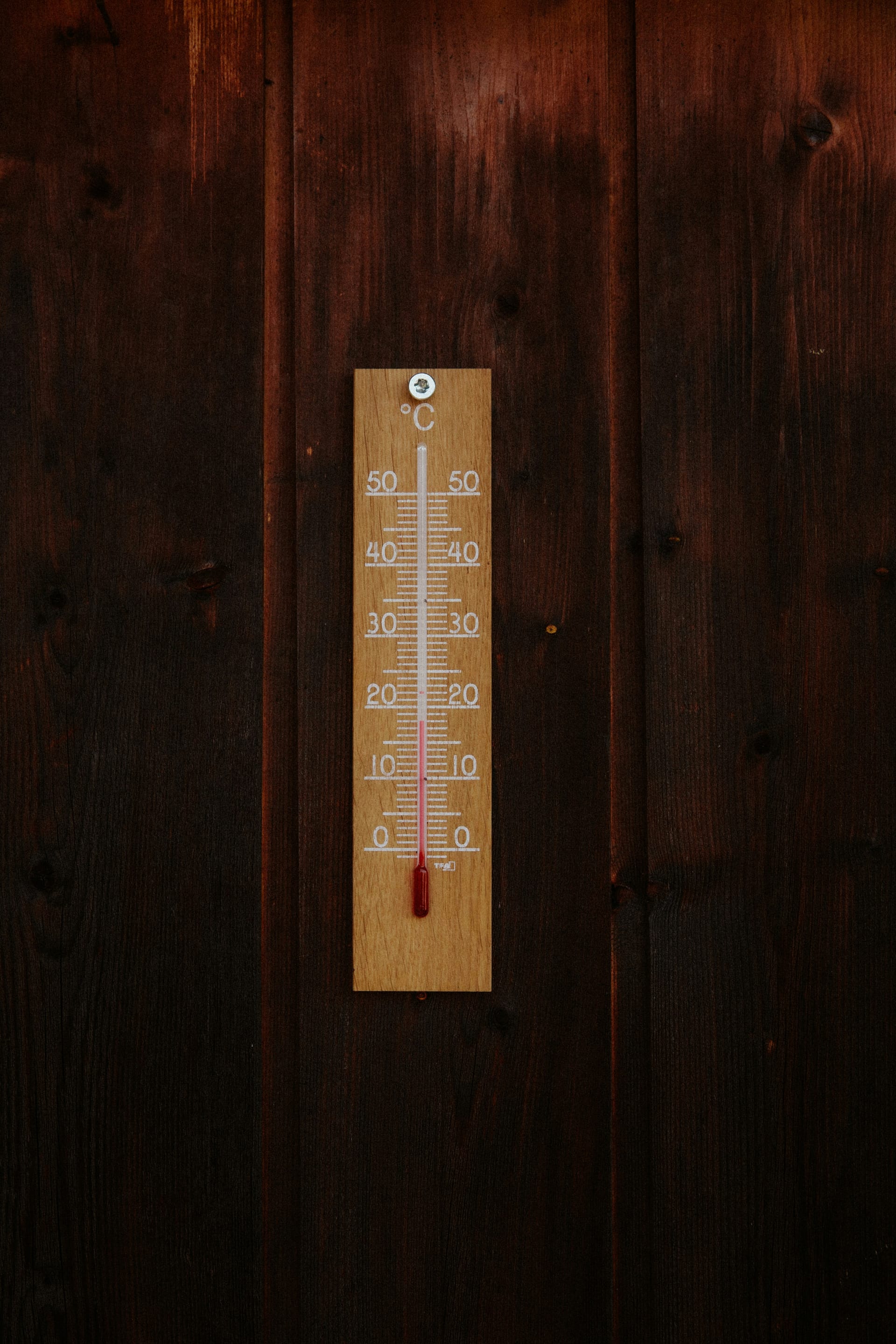
The numbers arrived without ceremony: a small column of figures, neat and confident, delivered through a screen that assumed fluency. There was no preamble, no invitation to feel anything about them. They simply existed—self-contained, conclusive. I stared at them longer than necessary, as though attention itself might persuade them to say something more.
I had been trained to trust measurement. To believe that what can be counted is what can be known, that precision is a form of care. Science has given us extraordinary clarity—the age of the universe, the speed of light, the composition of distant stars. It reduces the world to units small enough to hold without trembling. And yet, faced with those figures, something loosened. Not doubt exactly, but space.
Outside the window, trees moved according to rhythms that resisted instruction. The wind shifted, paused, resumed. Nothing announced itself. Nothing asked to be improved. I noticed this only because the numbers left room for it. They explained something, certainly—but not the sensation of standing there, or the quiet pull of attending to what did not ask to be solved.
The figures were accurate. The method sound. Still, they felt incomplete—not because they lacked information, but because they stopped where experience continued. They could describe a condition, but not what it felt like to inhabit it, or how knowledge settles unevenly into a day.
I began to notice how often I reached for numbers for reassurance. Steps counted. Hours logged. Probabilities consulted. Each promised orientation, a sense of being located within something stable. Yet the more faithfully I checked them, the more sharply I felt what they could not carry: anticipation, curiosity, the pleasure of patterns that were alive rather than abstracted.
The trees continued their unsystematic movement. No pattern held. Nothing corrected itself. They offered no explanation, only presence. Whatever I was leaning toward did not arrive as conclusion.
My body seemed to understand this before I did. Breath shifted. Awareness sharpened. These responses did not contradict what the numbers said; they existed alongside them—gathered without instruments, held without proof.
By evening, the figures had settled into their proper place—neither dismissed nor trusted. They remained available, ready to be checked again. What lingered was not insight, but the habit of noticing the difference between explanation and experience, and how easily one substitutes for the other. visible, and left me standing inside it.
```htmlAbout the Author
Tamara-Lee Brereton-Karabetsos is a writer exploring the intersections of science, perception, and poetic form. Her work examines the minutiae of life, blending lyrical reflection with conceptual structures. She is interested in the hidden patterns of existence, creating writing that observes, deconstructs, and reimagines the ordinary at microscopic and abstract scales.
Subscribe to my newsletter
Subscribe to my newsletter to get the latest updates and news