Without Record
by Tamara Karabetsos
Interviewer: What aspect of the practice are we speaking about?
Interviewee: The part that refuses to be useful. It does not produce quickly, nor promise an outcome. It lingers, waits, is revisited in silence. It is easier to present what appears intentional than what remains uncertain.
Interviewer: Is this part unseen, or deliberately kept out of view?
Interviewee: A blend of both. Some aspects are visible; others are not. They fall into categories— draft, finished, unfinished, reversed, consulted—but never stay there. What is kept out of view is often so because visibility invites misreading. Once something is named, it is flattened.
Interviewer: Flattened how?
Interviewee: By genre. By expectation. By the assumption that practice should be productive, narratively legible, resolved. Much of what sustains the work happens before language settles.
Interviewer: What sustains it, then?
Interviewee: Attention. Repetition. Returning to the same material without improvement. Sitting with what does not clarify itself. Noticing when a sentence resists closure and allowing it to remain still.
Interviewer: That sounds passive.
Interviewee: It isn’t. It requires endurance. It means staying with uncertainty longer than is comfortable, without the pressure to explain, summarize, or conclude.
Interviewer: What type of pressure are we referring to? Interviewee: Systems that reward articulation over hesitation. Platforms that privilege immediacy. Metrics that mistake response for understanding. Even well-meaning questions—What is this about?—apply force.
Interviewer: Silence—how does it function?
Interviewee: Silence is not absence. It is weighted.
Interviewer: What don’t you address in your writing? Interviewee: Conclusions and endings.
Interviewee: Drafts that never become more than drafted.
Interviewer: Would this acknowledgement assist the craft?
Interviewee: Exposure varies, articulation varies. Some work loses its function when made explicit.
Interviewer: Then why stage this interview at all?
Interviewee: To acknowledge what operates both inside and out, visible and invisible. There will always be a gap—a bridge, perhaps—but never full alignment.
Interviewer: And now?
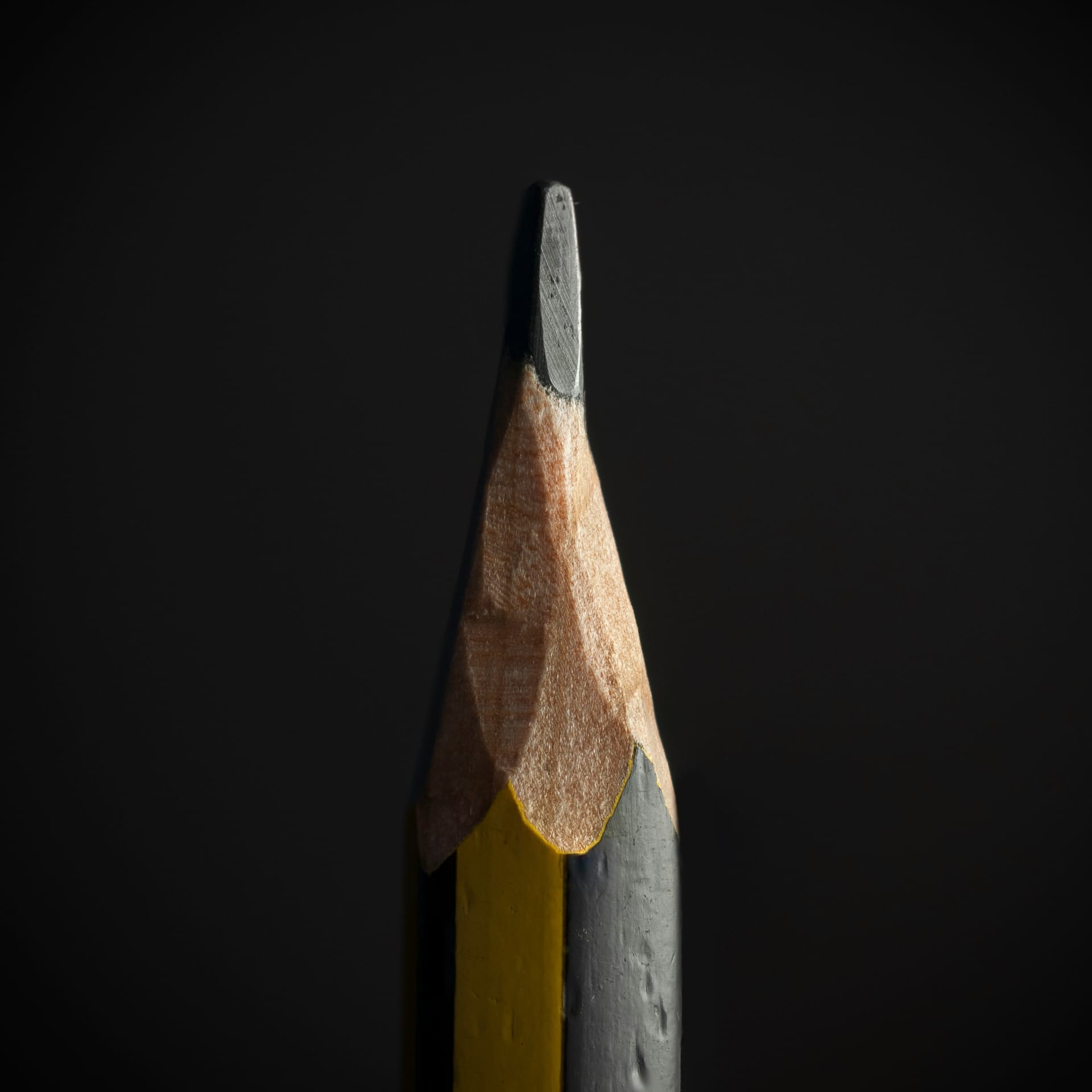
Interviewee: Now the work begins where the interview ends. Without proof. Without record. Only thought, pencil, paper.
```htmlAbout the Author
Tamara-Lee Brereton-Karabetsos is a writer exploring the intersections of science, perception, and poetic form. Her work examines the minutiae of life, blending lyrical reflection with conceptual structures. She is interested in the hidden patterns of existence, creating writing that observes, deconstructs, and reimagines the ordinary at microscopic and abstract scales.
Subscribe to my newsletter
Subscribe to my newsletter to get the latest updates and news